As Benjamin Franklin said, there’s only two certainties in life: death and taxes. With the former, you don’t have much control over; however, the latter can be affected. That’s why we’re here to give you some tips and info about filing in our changing landscape.
Remember Key Deadlines
Whether it’s scheduling an alarm on your phone or penning it old school-style on a notepad, it’s critical to keep track of when your taxes are due. Of course, you’ll want to start early. When you do this, you have enough time to gather your info and forms, and make sure you don’t make any mistakes. That said, here are some important dates you’ll want to keep in mind.
April 15, 2025: Unless you request an extension, this is the most important deadline for personal income taxes. It’s also the deadline to pay any taxes you owe so you can avoid late payment penalties and interest. If you make quarterly payments, this is also your deadline. Also, there is an exception for South Carolina residents due to Hurricane Helene; their deadline is extended to May 1, 2025.
June 17, 2025: If you’re a U.S. citizen living abroad, including military personnel stationed outside the country, this is your deadline. Even though you automatically receive an extra two months without filing an extension, interest still applies to any unpaid tax after April 15.
September 15, 2025: If you’re self-employed and earn significant non-wage income, this is the third quarter estimated tax payment deadline for the 2025 tax year.
October 15, 2025: This is your deadline if you filed for an extension in April. If you don’t make this date, you could pay extra fees and penalties.
Child Tax Credits Have Changed
The maximum Additional Child Tax Credit (ACTC) amount has increased to $1,700 for each qualifying child. And good news if you live in Puerto Rico: You’ll no longer be required to have three or more qualifying children to claim ACTC. Now you just need one or more.
Standard Deductions Have Increased
For 2024, here’s a snapshot:
Single or married filing separately – $14,600
Head of household – $21,900
Married filing jointly or qualifying surviving spouse – $29,200
For more information about the changes to 2024 taxes, go here to review.
Take Care of Name Changes Pronto
This is for those who have had a name change as a result of marriage or divorce. This also applies if you have people who work for you who have had these changes. Whether it’s you or your employees, contact the Social Security Administration as soon as possible. If names and numbers don’t align, the processing of taxes and refunds will be delayed.
Make Sure ITINS Are Current
That’s Individual Taxpayer Identification Numbers. People who have these generally don’t have a Social Security number. If this pertains to you or any of your employees, check the expiration dates; if necessary, renew them as soon as possible.
Create an IRS Online Account
When you create this account, you get secure access to your tax information, including payment history, all your tax records and other important tax data. When everything is digital, you can streamline your prep time, and it can help you identify overlooked deductions or credits.
Filling out your taxes the right way takes time. However, the smartest tactic to ensure your taxes are prepared correctly is to consult a professional tax advisor. No matter how you end up tackling your taxes, it makes good sense to start early and learn as much as you can about IRS tax changes. This way, you’ll have less chance of encountering any hiccups along the way.
Sources
Tax Tips for IRS Filing in 2025 (TY 2024) – The Boom Post
Tax season 2025: All the deadlines taxpayers should know – CBS News
Tax Time Guide 2025: Essentials needed for filing a 2024 tax return | Internal Revenue Service
6 Tax Filing Tips & Important Info for 2025
March 1, 2025 · Blog, Tip of the Month
⏱ 4 min read
As Benjamin Franklin said, there’s only two certainties in life: death and taxes. With the former, you don’t have much control over; however, the latter can be affected. That’s why we’re here to give you some tips and info about filing in our changing landscape.
Remember Key Deadlines
Whether it’s scheduling an alarm on your phone or penning it old school-style on a notepad, it’s critical to keep track of when your taxes are due. Of course, you’ll want to start early. When you do this, you have enough time to gather your info and forms, and make sure you don’t make any mistakes. That said, here are some important dates you’ll want to keep in mind.
April 15, 2025: Unless you request an extension, this is the most important deadline for personal income taxes. It’s also the deadline to pay any taxes you owe so you can avoid late payment penalties and interest. If you make quarterly payments, this is also your deadline. Also, there is an exception for South Carolina residents due to Hurricane Helene; their deadline is extended to May 1, 2025.
June 17, 2025: If you’re a U.S. citizen living abroad, including military personnel stationed outside the country, this is your deadline. Even though you automatically receive an extra two months without filing an extension, interest still applies to any unpaid tax after April 15.
September 15, 2025: If you’re self-employed and earn significant non-wage income, this is the third quarter estimated tax payment deadline for the 2025 tax year.
October 15, 2025: This is your deadline if you filed for an extension in April. If you don’t make this date, you could pay extra fees and penalties.
Child Tax Credits Have Changed
The maximum Additional Child Tax Credit (ACTC) amount has increased to $1,700 for each qualifying child. And good news if you live in Puerto Rico: You’ll no longer be required to have three or more qualifying children to claim ACTC. Now you just need one or more.
Standard Deductions Have Increased
For 2024, here’s a snapshot:
Single or married filing separately – $14,600
Head of household – $21,900
Married filing jointly or qualifying surviving spouse – $29,200
For more information about the changes to 2024 taxes, go here to review.
Take Care of Name Changes Pronto
This is for those who have had a name change as a result of marriage or divorce. This also applies if you have people who work for you who have had these changes. Whether it’s you or your employees, contact the Social Security Administration as soon as possible. If names and numbers don’t align, the processing of taxes and refunds will be delayed.
Make Sure ITINS Are Current
That’s Individual Taxpayer Identification Numbers. People who have these generally don’t have a Social Security number. If this pertains to you or any of your employees, check the expiration dates; if necessary, renew them as soon as possible.
Create an IRS Online Account
When you create this account, you get secure access to your tax information, including payment history, all your tax records and other important tax data. When everything is digital, you can streamline your prep time, and it can help you identify overlooked deductions or credits.
Filling out your taxes the right way takes time. However, the smartest tactic to ensure your taxes are prepared correctly is to consult a professional tax advisor. No matter how you end up tackling your taxes, it makes good sense to start early and learn as much as you can about IRS tax changes. This way, you’ll have less chance of encountering any hiccups along the way.
Sources
Tax Tips for IRS Filing in 2025 (TY 2024) – The Boom Post
Tax season 2025: All the deadlines taxpayers should know – CBS News
Tax Time Guide 2025: Essentials needed for filing a 2024 tax return | Internal Revenue Service
Disclaimer
These articles provide general information on tax, accounting, and financial topics for small businesses and individuals. They are educational in nature and are not specific legal, accounting, financial, tax, or other professional advice, and should not be relied upon as such. This content was prepared by Service2Client and may have been reviewed or edited by the website owner for accuracy and compliance. Look for a trust mark below for verification details. No representation is made that any approach described will achieve a particular result, and no regulatory or professional body has reviewed or endorsed this content. Because each situation is different, readers should consult a qualified professional about their specific circumstances before acting. Images accompanying these articles are protected by copyright and may not be copied or reused.
As tax filing season begins, scammers are ramping up efforts to steal taxpayers’ personal information through increasingly sophisticated schemes. Below, we discuss the latest scam, what to look out for in general, and what to do if you suspect something malicious.
New Scam of the Season
The U.S. Treasury Inspector General for Tax Administration (TIGTA) recently issued an alert about a prevalent scam involving Economic Impact Payments.
In this scheme, taxpayers receive texts claiming they’re eligible for a $1,400 Economic Impact Payment, requesting personal information and bank details for deposit. While the IRS is indeed processing some legitimate Recovery Rebate Credit payments from 2021 tax returns, they will never request personal information via text or social media. These legitimate payments will be automatically distributed by late January 2025, either through direct deposit or paper check, with official notification letters sent separately.
Detecting Scam in General
The cybersecurity firm Guardio reports a 77 percent increase in IRS-related spam messages, highlighting how scammers exploit taxpayers’ fears of making mistakes on their returns. Common manipulation tactics include urgent messages claiming:
Tax return errors requiring immediate action to avoid penalties
Account flags demanding immediate information verification to prevent legal action
These fraudulent messages typically contain malicious links designed to steal sensitive information like Social Security numbers, banking details, and payment credentials. They often masquerade as official IRS forms or legitimate tax advisory companies.
Key Warning Signs of Tax Scams:
Requests for sensitive personal or financial information
Links to suspicious websites (legitimate government sites end in .gov)
Misspellings, grammatical errors, or inconsistent formatting
Fuzzy or distorted official logos
Initial contact via email, phone, text, or social media instead of postal mail
What to Do if You Receive a Suspicious Message
If you receive a suspicious message, don’t engage with it. Never click links or provide personal information to unknown sources. Report potential fraud by forwarding the message to phishing@irs.gov or filing a report with TIGTA. If you’re uncertain about correspondence claiming to be from the IRS, verify it by calling 800-829-1040 or visiting IRS.gov. Your online IRS account will display any official notices mailed to you.
If you’ve accidentally engaged with a scam:
Immediately close any suspicious website tabs
Change passwords for potentially compromised accounts
Contact your bank or credit card provider to monitor for fraudulent activity
Report the incident to the IRS and file an identity theft report with the Federal Trade Commission
Consider notifying local law enforcement
When searching for tax-related information online, only use official sources like IRS.gov or the official IRS app. Be wary of sponsored ads and search results that might lead to fraudulent websites. Consider bookmarking official sites for quick, secure access.
Conclusion
Remember, the IRS will never initiate contact through email, text, or social media. When in doubt, assume it’s a scam and verify through official channels. Keeping your personal information secure requires constant vigilance, especially during tax season when scammers are most active.
As Tax Season Opens, We Must Stay Alert to Rising Scam Threats
March 1, 2025 · Blog, Tax and Financial News
⏱ 3 min read
As tax filing season begins, scammers are ramping up efforts to steal taxpayers’ personal information through increasingly sophisticated schemes. Below, we discuss the latest scam, what to look out for in general, and what to do if you suspect something malicious.
New Scam of the Season
The U.S. Treasury Inspector General for Tax Administration (TIGTA) recently issued an alert about a prevalent scam involving Economic Impact Payments.
In this scheme, taxpayers receive texts claiming they’re eligible for a $1,400 Economic Impact Payment, requesting personal information and bank details for deposit. While the IRS is indeed processing some legitimate Recovery Rebate Credit payments from 2021 tax returns, they will never request personal information via text or social media. These legitimate payments will be automatically distributed by late January 2025, either through direct deposit or paper check, with official notification letters sent separately.
Detecting Scam in General
The cybersecurity firm Guardio reports a 77 percent increase in IRS-related spam messages, highlighting how scammers exploit taxpayers’ fears of making mistakes on their returns. Common manipulation tactics include urgent messages claiming:
Tax return errors requiring immediate action to avoid penalties
Account flags demanding immediate information verification to prevent legal action
These fraudulent messages typically contain malicious links designed to steal sensitive information like Social Security numbers, banking details, and payment credentials. They often masquerade as official IRS forms or legitimate tax advisory companies.
Key Warning Signs of Tax Scams:
Requests for sensitive personal or financial information
Links to suspicious websites (legitimate government sites end in .gov)
Misspellings, grammatical errors, or inconsistent formatting
Fuzzy or distorted official logos
Initial contact via email, phone, text, or social media instead of postal mail
What to Do if You Receive a Suspicious Message
If you receive a suspicious message, don’t engage with it. Never click links or provide personal information to unknown sources. Report potential fraud by forwarding the message to phishing@irs.gov or filing a report with TIGTA. If you’re uncertain about correspondence claiming to be from the IRS, verify it by calling 800-829-1040 or visiting IRS.gov. Your online IRS account will display any official notices mailed to you.
If you’ve accidentally engaged with a scam:
Immediately close any suspicious website tabs
Change passwords for potentially compromised accounts
Contact your bank or credit card provider to monitor for fraudulent activity
Report the incident to the IRS and file an identity theft report with the Federal Trade Commission
Consider notifying local law enforcement
When searching for tax-related information online, only use official sources like IRS.gov or the official IRS app. Be wary of sponsored ads and search results that might lead to fraudulent websites. Consider bookmarking official sites for quick, secure access.
Conclusion
Remember, the IRS will never initiate contact through email, text, or social media. When in doubt, assume it’s a scam and verify through official channels. Keeping your personal information secure requires constant vigilance, especially during tax season when scammers are most active.
Disclaimer
These articles provide general information on tax, accounting, and financial topics for small businesses and individuals. They are educational in nature and are not specific legal, accounting, financial, tax, or other professional advice, and should not be relied upon as such. This content was prepared by Service2Client and may have been reviewed or edited by the website owner for accuracy and compliance. Look for a trust mark below for verification details. No representation is made that any approach described will achieve a particular result, and no regulatory or professional body has reviewed or endorsed this content. Because each situation is different, readers should consult a qualified professional about their specific circumstances before acting. Images accompanying these articles are protected by copyright and may not be copied or reused.
Laken Riley Act (S 5) – A holdover from the last congressional session, this bill was re-introduced by Sen. Katie Britt (R-AL) on Jan. 6. It is similar to a 1996 law, the Illegal Immigration Reform and Immigrant Responsibility Act, that deports illegal immigrants who are found guilty of serious crimes. This new bill enables the government to detain and deport illegals who are arrested for serious crimes or misdemeanors (such as shoplifting), but they do not have to be charged or found guilty. The legislation passed in the Senate on Jan. 20 and the House on Jan. 22, and it is expected to be the first bill signed by the Trump administration.
Federal Disaster Assistance Coordination Act (HR 152) – This legislation would amend the Disaster Recovery Reform Act of 2018 to authorize a new study designed to streamline and consolidate data regarding the collection of preliminary damage assessments. It was introduced by Rep. Mike Ezell (R-MS) on Jan. 3, passed in the House on Jan. 13, and is currently in the Senate.
Post-Disaster Assistance Online Accountability Act (HR 153) – This is a disaster companion bill, also introduced by Rep. Mike Ezell (R-MS) on Jan. 3. It would create an online repository for recipients of Federal disaster assistance to meet specific reporting requirements. The bipartisan bill passed in the House on Jan. 14, and its fate also lies with the Senate.
POWER Act of 2025 (HR 164) – Also known as the Promoting Opportunities to Widen Electrical Resilience Act, this non-controversial bill was passed on Jan. 15 under a House procedure called “suspension of the rules.” It would allow Federal agencies to provide essential assistance for the emergency restoration of power and not restrict utility company recipients from also qualifying for hazard mitigation assistance if necessary. The bill amends the previous Robert T. Stafford Disaster Relief and Emergency Assistance Act (1988), which details the process for federal government assistance to state and local governments following a major disaster. The bill was introduced by Rep. Valerie Hoyle (D-OR) on Jan. 3 and currently lies with the Senate.
Fix Our Forests Act (HR 471) – The purpose of this bill is to expedite improvements in forest management activities on National Forest public lands under the jurisdiction of the Bureau of Land Management to return resilience to overgrown, fire-prone forested lands. This bipartisan legislation was introduced by Rep. Bruce Westerman (R-AR) on Jan. 16 and passed in the House on Jan. 23. It currently lies with the Senate.
MAPWaters Act of 2025 (HR 187) – This bipartisan bill authorizes the standardization, consolidation, and publication of federal waterways data regarding outdoor recreational uses by the public, as tracked by federal land and water management agencies. The legislation was introduced by Rep. Blake Moore (R-UT) on Jan. 3, passed in the House on Jan. 21, and is under consideration in the Senate.
Regarding consent to assemble outside the seat of government (HCon Res. 1) – This concurrent resolution was introduced on Jan. 3 by Rep. Michelle Fischbach (R-MN). It is a bipartisan resolution, agreed to by all four majority and minority leaders in both houses, that would allow members of the House and the Senate to assemble at a location outside the District of Columbia if it is in the public interest. The resolution passed in the House on Jan. 3 and currently rests in the Senate.
Beefing Up Laws for Illegal Immigrants and Preparing for Future Disasters
February 1, 2025 · Blog, Congress at Work
⏱ 3 min read
Laken Riley Act (S 5) – A holdover from the last congressional session, this bill was re-introduced by Sen. Katie Britt (R-AL) on Jan. 6. It is similar to a 1996 law, the Illegal Immigration Reform and Immigrant Responsibility Act, that deports illegal immigrants who are found guilty of serious crimes. This new bill enables the government to detain and deport illegals who are arrested for serious crimes or misdemeanors (such as shoplifting), but they do not have to be charged or found guilty. The legislation passed in the Senate on Jan. 20 and the House on Jan. 22, and it is expected to be the first bill signed by the Trump administration.
Federal Disaster Assistance Coordination Act (HR 152) – This legislation would amend the Disaster Recovery Reform Act of 2018 to authorize a new study designed to streamline and consolidate data regarding the collection of preliminary damage assessments. It was introduced by Rep. Mike Ezell (R-MS) on Jan. 3, passed in the House on Jan. 13, and is currently in the Senate.
Post-Disaster Assistance Online Accountability Act (HR 153) – This is a disaster companion bill, also introduced by Rep. Mike Ezell (R-MS) on Jan. 3. It would create an online repository for recipients of Federal disaster assistance to meet specific reporting requirements. The bipartisan bill passed in the House on Jan. 14, and its fate also lies with the Senate.
POWER Act of 2025 (HR 164) – Also known as the Promoting Opportunities to Widen Electrical Resilience Act, this non-controversial bill was passed on Jan. 15 under a House procedure called “suspension of the rules.” It would allow Federal agencies to provide essential assistance for the emergency restoration of power and not restrict utility company recipients from also qualifying for hazard mitigation assistance if necessary. The bill amends the previous Robert T. Stafford Disaster Relief and Emergency Assistance Act (1988), which details the process for federal government assistance to state and local governments following a major disaster. The bill was introduced by Rep. Valerie Hoyle (D-OR) on Jan. 3 and currently lies with the Senate.
Fix Our Forests Act (HR 471) – The purpose of this bill is to expedite improvements in forest management activities on National Forest public lands under the jurisdiction of the Bureau of Land Management to return resilience to overgrown, fire-prone forested lands. This bipartisan legislation was introduced by Rep. Bruce Westerman (R-AR) on Jan. 16 and passed in the House on Jan. 23. It currently lies with the Senate.
MAPWaters Act of 2025 (HR 187) – This bipartisan bill authorizes the standardization, consolidation, and publication of federal waterways data regarding outdoor recreational uses by the public, as tracked by federal land and water management agencies. The legislation was introduced by Rep. Blake Moore (R-UT) on Jan. 3, passed in the House on Jan. 21, and is under consideration in the Senate.
Regarding consent to assemble outside the seat of government (HCon Res. 1) – This concurrent resolution was introduced on Jan. 3 by Rep. Michelle Fischbach (R-MN). It is a bipartisan resolution, agreed to by all four majority and minority leaders in both houses, that would allow members of the House and the Senate to assemble at a location outside the District of Columbia if it is in the public interest. The resolution passed in the House on Jan. 3 and currently rests in the Senate.
Disclaimer
These articles provide general information on tax, accounting, and financial topics for small businesses and individuals. They are educational in nature and are not specific legal, accounting, financial, tax, or other professional advice, and should not be relied upon as such. This content was prepared by Service2Client and may have been reviewed or edited by the website owner for accuracy and compliance. Look for a trust mark below for verification details. No representation is made that any approach described will achieve a particular result, and no regulatory or professional body has reviewed or endorsed this content. Because each situation is different, readers should consult a qualified professional about their specific circumstances before acting. Images accompanying these articles are protected by copyright and may not be copied or reused.
With the number of Amazon Prime member subscribers growing from 58 million in 2016 to 180 million in 2024, according to Statista, there’s a sustained recurring subscription model that one of America’s most successful retailers has increased more than 200 percent in eight years. Whether it’s a large company such as Amazon or a solopreneur beginning their recurring subscription services, it’s important to first distinguish between overall bookings and recurring revenue; and then to illustrate how businesses can measure these two types of revenue.
Dissecting Annual Recurring Revenue (ARR) and Bookings
Bookings are assurances of all anticipated earnings (recurring and one-off deals) because the business hasn’t satisfied the terms of the contracted services. Once it’s completed, the booking will turn into actual revenue. This factor is present in all sales deals, regardless of when revenue or cash will be transferred to the business from the customer. Non-recurring revenue includes training, special consulting projects, etc. (things that are one-off).
Annual Recurring Revenue (ARR) is a way to gauge recurring revenue a business projects to earn on a yearly basis. It’s quite common in eCommerce industries – be it subscriptions for food, software, etc. that are billed on a monthly or annual time frame.
How ARR Helps Businesses Analyze Operations
Businesses can determine demand trends, which help forecast recurring revenue. Lenders and investors can see how (in)efficient a company is with its marketing and sales efforts. It gives business owners and management the ability to determine customer retention and growth prospects while it provides internal and external users the ability to estimate a subscription’s worth. Additional insight businesses can gain from this metric include how much new customers add, how much renewals and upgrades impact ARR, and how churn and downgrades impact ARR.
How to Value a Company Using ARR
One common metric is Enterprise Value divided by ARR (EV/ARR), which is similar but important to distinguish from the EV/Revenue ratio. Since the ARR only factors in recurring revenue versus the EV/Revenue, which factors in all revenue regardless of the revenue recurring, the initial ratio provides a better assessment of the recurring revenue only. Assuming a company has an ARR multiple of 7 and its ARR is $15 million, the ARR has an enterprise value of $105 million.
Monthly Versus Yearly Recurring Revenue
While Monthly Recurring Revenue is not an entry on a business’s financial statements, it’s more of a key performance indicator (KPI). It’s not uncommon for companies to include it as part of their earnings releases. If a recurring subscription revenue is done monthly, it’s converted into Annual Recurring Revenue (ARR) as follows: MRR x 12 = ARR.
Recording Bookings
When a contract is signed, or an order is placed, it depends on how it’s handled. If the business receives cash prior to completing their monthly or yearly service expectation and say the contract is for $20,000 per month for 12 months, it would be recorded as follows:
Debit: Cash $240,000
Credit: Deferred Revenue $240,000
Since the contract has just been signed, but there’s been no product/service rendered, deferred or unearned, revenue has been created.
For every month that passes, the journal entry will progress as follows:
Debit: Deferred Revenue $20,000
Credit: Revenue $20,000
The deferred revenue account drops from $240,000 to $220,000, assuming the starting deferred revenue balance is even and there’s no deferred revenue.
The following month, the journal entries would be as follows:
Debit: Deferred Revenue $20,000
Credit: Revenue $20,000
This would occur every month until the end of the 12-month period.
Conclusion
When it comes to accounting for revenue, whether it’s booked, fulfilled by the company, or the payment received by the company, along with analyzing the time frame, it’s equally important to be familiar with the type of revenue it is for one to see how the company is performing.
Dissecting Bookings and Annual Recurring Revenue
February 1, 2025 · Accounting News, Blog
⏱ 4 min read
With the number of Amazon Prime member subscribers growing from 58 million in 2016 to 180 million in 2024, according to Statista, there’s a sustained recurring subscription model that one of America’s most successful retailers has increased more than 200 percent in eight years. Whether it’s a large company such as Amazon or a solopreneur beginning their recurring subscription services, it’s important to first distinguish between overall bookings and recurring revenue; and then to illustrate how businesses can measure these two types of revenue.
Dissecting Annual Recurring Revenue (ARR) and Bookings
Bookings are assurances of all anticipated earnings (recurring and one-off deals) because the business hasn’t satisfied the terms of the contracted services. Once it’s completed, the booking will turn into actual revenue. This factor is present in all sales deals, regardless of when revenue or cash will be transferred to the business from the customer. Non-recurring revenue includes training, special consulting projects, etc. (things that are one-off).
Annual Recurring Revenue (ARR) is a way to gauge recurring revenue a business projects to earn on a yearly basis. It’s quite common in eCommerce industries – be it subscriptions for food, software, etc. that are billed on a monthly or annual time frame.
How ARR Helps Businesses Analyze Operations
Businesses can determine demand trends, which help forecast recurring revenue. Lenders and investors can see how (in)efficient a company is with its marketing and sales efforts. It gives business owners and management the ability to determine customer retention and growth prospects while it provides internal and external users the ability to estimate a subscription’s worth. Additional insight businesses can gain from this metric include how much new customers add, how much renewals and upgrades impact ARR, and how churn and downgrades impact ARR.
How to Value a Company Using ARR
One common metric is Enterprise Value divided by ARR (EV/ARR), which is similar but important to distinguish from the EV/Revenue ratio. Since the ARR only factors in recurring revenue versus the EV/Revenue, which factors in all revenue regardless of the revenue recurring, the initial ratio provides a better assessment of the recurring revenue only. Assuming a company has an ARR multiple of 7 and its ARR is $15 million, the ARR has an enterprise value of $105 million.
Monthly Versus Yearly Recurring Revenue
While Monthly Recurring Revenue is not an entry on a business’s financial statements, it’s more of a key performance indicator (KPI). It’s not uncommon for companies to include it as part of their earnings releases. If a recurring subscription revenue is done monthly, it’s converted into Annual Recurring Revenue (ARR) as follows: MRR x 12 = ARR.
Recording Bookings
When a contract is signed, or an order is placed, it depends on how it’s handled. If the business receives cash prior to completing their monthly or yearly service expectation and say the contract is for $20,000 per month for 12 months, it would be recorded as follows:
Debit: Cash $240,000
Credit: Deferred Revenue $240,000
Since the contract has just been signed, but there’s been no product/service rendered, deferred or unearned, revenue has been created.
For every month that passes, the journal entry will progress as follows:
Debit: Deferred Revenue $20,000
Credit: Revenue $20,000
The deferred revenue account drops from $240,000 to $220,000, assuming the starting deferred revenue balance is even and there’s no deferred revenue.
The following month, the journal entries would be as follows:
Debit: Deferred Revenue $20,000
Credit: Revenue $20,000
This would occur every month until the end of the 12-month period.
Conclusion
When it comes to accounting for revenue, whether it’s booked, fulfilled by the company, or the payment received by the company, along with analyzing the time frame, it’s equally important to be familiar with the type of revenue it is for one to see how the company is performing.
Disclaimer
These articles provide general information on tax, accounting, and financial topics for small businesses and individuals. They are educational in nature and are not specific legal, accounting, financial, tax, or other professional advice, and should not be relied upon as such. This content was prepared by Service2Client and may have been reviewed or edited by the website owner for accuracy and compliance. Look for a trust mark below for verification details. No representation is made that any approach described will achieve a particular result, and no regulatory or professional body has reviewed or endorsed this content. Because each situation is different, readers should consult a qualified professional about their specific circumstances before acting. Images accompanying these articles are protected by copyright and may not be copied or reused.
Return on Ad Spend (ROAS) is one way to help advertising and marketing professionals and investors analyze how well promotions do (or don’t) produce sales. It helps advertisers develop data based on their campaigns’ revenue production (or lack thereof). Understanding how this metric is calculated and how to analyze ROAS is essential for businesses to monitor and increase their advertising performance.
Known as a Key Performance Indicator (KPI), ROAS determines how much sales are generated per dollar invested on advertising outlays. It separates advertising costs from the company’s costs, and it focuses on:
1. The differences between advertising income and advertisement expenses
2. Assisting companies with creating efficient budgets
3. Identifying unprofitable campaigns
How ROAS is calculated:
Return on Ad Spend (ROAS) = Revenue generated from ad campaign/Total advertising costs for a specific campaign
The revenue generated from an ad campaign is the revenue immediately assignable to promotions utilizing a tracking tool.
Total advertising costs for a specific campaign are expenses explicitly connected to the advertising platform.
The resulting calculation determines the business’ return on ad spend, giving owners and managers an idea of how well (or not) ad spending impacts the company’s sales. It similarly enables business owners to reconcile the company’s budgeted advertising costs against growing sales metrics. The following hypothetical breakdown shows what a positive scenario looks like:
A ROAS of 10 = $10 of revenue was earned for every $1 spent on ads. This would translate into:
Total Ad Spend: $10,000
Revenue Generated: $100,000
ROAS = $10
ROAS = 10:1
Important considerations when calculating this include factoring in merchant expenses, costs for digital content production, and costs incurred from media platforms. It’s also important to consider that it’s not always cut-and-dry as to how and what specific ads convert potential customers into paying customers. Assigning the exact ad platform or campaign is a common problem when determining the exact ROAS.
Credit analysis conducted by lenders evaluates ROAS to determine the sales ability of companies seeking loans, especially with promotion-centric companies. The higher the ROAS, the less risk there is and the more reliable the revenue from each campaign. For merger and acquisition professionals, ROAS trends offer insight into a target company’s sustainability. It helps determine if a company’s advertising campaigns can sustain themselves and keep generating future growth.
It’s equally important to see how ROAS compares against other metrics. While ROAS focuses on revenue generated per dollar spent, the advertising-to-sales ratio looks at the total proportion of sales driven by advertising efforts. Similarly, while ROAS measures the revenue per ad spend, return on investment analyzes the comprehensive profitability for the complete level of marketing expenses – not exclusively advertising. While ROAS is a short-term measure on instant sales, Lifetime Value looks at the customer’s history with the company and the entire revenue the company earns from the relationship.
While this metric is helpful for many professionals, it’s important to ensure that only necessary data is included and customer conversion is monitored precisely in order to get the best output.
Analyzing Return on Ad Spending
February 1, 2025 · Blog, General Business News
⏱ 3 min read
Return on Ad Spend (ROAS) is one way to help advertising and marketing professionals and investors analyze how well promotions do (or don’t) produce sales. It helps advertisers develop data based on their campaigns’ revenue production (or lack thereof). Understanding how this metric is calculated and how to analyze ROAS is essential for businesses to monitor and increase their advertising performance.
Known as a Key Performance Indicator (KPI), ROAS determines how much sales are generated per dollar invested on advertising outlays. It separates advertising costs from the company’s costs, and it focuses on:
1. The differences between advertising income and advertisement expenses
2. Assisting companies with creating efficient budgets
3. Identifying unprofitable campaigns
How ROAS is calculated:
Return on Ad Spend (ROAS) = Revenue generated from ad campaign/Total advertising costs for a specific campaign
The revenue generated from an ad campaign is the revenue immediately assignable to promotions utilizing a tracking tool.
Total advertising costs for a specific campaign are expenses explicitly connected to the advertising platform.
The resulting calculation determines the business’ return on ad spend, giving owners and managers an idea of how well (or not) ad spending impacts the company’s sales. It similarly enables business owners to reconcile the company’s budgeted advertising costs against growing sales metrics. The following hypothetical breakdown shows what a positive scenario looks like:
A ROAS of 10 = $10 of revenue was earned for every $1 spent on ads. This would translate into:
Total Ad Spend: $10,000
Revenue Generated: $100,000
ROAS = $10
ROAS = 10:1
Important considerations when calculating this include factoring in merchant expenses, costs for digital content production, and costs incurred from media platforms. It’s also important to consider that it’s not always cut-and-dry as to how and what specific ads convert potential customers into paying customers. Assigning the exact ad platform or campaign is a common problem when determining the exact ROAS.
Credit analysis conducted by lenders evaluates ROAS to determine the sales ability of companies seeking loans, especially with promotion-centric companies. The higher the ROAS, the less risk there is and the more reliable the revenue from each campaign. For merger and acquisition professionals, ROAS trends offer insight into a target company’s sustainability. It helps determine if a company’s advertising campaigns can sustain themselves and keep generating future growth.
It’s equally important to see how ROAS compares against other metrics. While ROAS focuses on revenue generated per dollar spent, the advertising-to-sales ratio looks at the total proportion of sales driven by advertising efforts. Similarly, while ROAS measures the revenue per ad spend, return on investment analyzes the comprehensive profitability for the complete level of marketing expenses – not exclusively advertising. While ROAS is a short-term measure on instant sales, Lifetime Value looks at the customer’s history with the company and the entire revenue the company earns from the relationship.
While this metric is helpful for many professionals, it’s important to ensure that only necessary data is included and customer conversion is monitored precisely in order to get the best output.
Disclaimer
These articles provide general information on tax, accounting, and financial topics for small businesses and individuals. They are educational in nature and are not specific legal, accounting, financial, tax, or other professional advice, and should not be relied upon as such. This content was prepared by Service2Client and may have been reviewed or edited by the website owner for accuracy and compliance. Look for a trust mark below for verification details. No representation is made that any approach described will achieve a particular result, and no regulatory or professional body has reviewed or endorsed this content. Because each situation is different, readers should consult a qualified professional about their specific circumstances before acting. Images accompanying these articles are protected by copyright and may not be copied or reused.

 As Benjamin Franklin said, there’s only two certainties in life: death and taxes. With the former, you don’t have much control over; however, the latter can be affected. That’s why we’re here to give you some tips and info about filing in our changing landscape.



 As tax filing season begins, scammers are ramping up efforts to steal taxpayers’ personal information through increasingly sophisticated schemes. Below, we discuss the latest scam, what to look out for in general, and what to do if you suspect something malicious.
 Laken Riley Act (S 5) – A holdover from the last congressional session, this bill was re-introduced by Sen. Katie Britt (R-AL) on Jan. 6. It is similar to a 1996 law, the Illegal Immigration Reform and Immigrant Responsibility Act, that deports illegal immigrants who are found guilty of serious crimes. This new bill enables the government to detain and deport illegals who are arrested for serious crimes or misdemeanors (such as shoplifting), but they do not have to be charged or found guilty. The legislation passed in the Senate on Jan. 20 and the House on Jan. 22, and it is expected to be the first bill signed by the Trump administration.
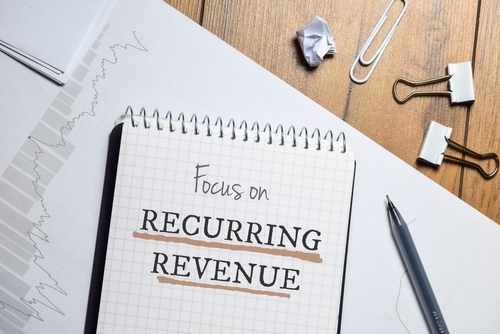 With the number of Amazon Prime member subscribers growing from 58 million in 2016 to 180 million in 2024, according to Statista, there’s a sustained recurring subscription model that one of America’s most successful retailers has increased more than 200 percent in eight years. Whether it’s a large company such as Amazon or a solopreneur beginning their recurring subscription services, it’s important to first distinguish between overall bookings and recurring revenue; and then to illustrate how businesses can measure these two types of revenue.
 Return on Ad Spend (ROAS) is one way to help advertising and marketing professionals and investors analyze how well promotions do (or don’t) produce sales. It helps advertisers develop data based on their campaigns’ revenue production (or lack thereof). Understanding how this metric is calculated and how to analyze ROAS is essential for businesses to monitor and increase their advertising performance.