Enhanced Presidential Security Act of 2024 (HR 9106) – During an election year, the Department of Homeland Security identifies major presidential and vice-presidential candidates in consultation with a committee of congressional leaders. This bipartisan bill instructs the U.S. Secret Service to use the same criteria for establishing the level of protection for major candidates as provided for presidents and vice presidents. The bill was introduced by Rep. Michael Lawler (R-NY) on July 23. It passed in the House on Sept. 20, in the Senate on Sept. 24, and was signed into law by the president on Oct. 1.
COCOA Act of 2024 (HR 6513) – This bipartisan Act, titled the Confirmation of Congressional Observer Access Act, was introduced on Nov. 30, 2023, by Rep. Mike Carey (R-OH). It was passed in the House on Sept. 9, in the Senate with changes on Sept. 24, and cleared the House with changes on Sept. 25. The president signed it into law on Oct. 4. The bill requires states to designate congressional election witnesses to observe the administration procedures of federal elections, including casting, processing, scanning, tabulating, canvassing, recounting, auditing and certifying ballots during the pre-and post-election period. However, the bill prohibits the observers from handling any ballots or equipment, advocating for a particular candidate, issue, or party, or interfering with the election process in any way. Election officials are further authorized to remove any designated observer who does not follow the guidelines detailed in this bill.
Congressional Budget Office Data Access Act (S 1549) – The Privacy Act of 1974 generally requires written consent before a federal agency is allowed to disclose certain personal records. However, some agencies are exempt from this requirement, including the Government Accountability Office and the National Archives and Records Administration. This bill designates the Congressional Budget Office (CBO) to be exempt as well in an effort to expedite sharing between the CBO and federal agencies. The bill passed in the Senate on June 22, 2023, in the House on Sept. 23, 2024. It was signed into law on Oct. 2, after having been introduced by Sen. Gary Peters (D-MI) on May 10, 2023.
Veteran Improvement Commercial Driver License Act of 2023 (S 656) – This Act was introduced on March 6, 2023, by Sen. Deb Fischer (R-NE). It provides guidelines to approve assistance by the Department of Veterans Affairs (VA) for commercial driver education programs. The requirements include appropriate licensing and usage of the same commercial driver education curriculum as other approved institutions. The bill passed in the Senate on Nov. 2, 2023, the House on Sept. 25, 2024, and was enacted into law on Oct. 1.
Tribal Trust Land Homeownership Act of 2023 (S 70) – This bill was introduced by Sen. John Thune (R-SD) on Jan. 25, 2023. It requires the Bureau of Indian Affairs (BIA) to process and complete all residential and business mortgage packages within 20 or 30 days, depending on the type of application. It also establishes the position of Realty Ombudsman within the BIA’s Division of Real Estate Services. This is a bipartisan bill that passed in the Senate on July 18, 2023, and currently sits in the House, where it has a high probability of passing before the end of the current Congressional session.
Protections for Election Candidates and the Electoral Process; Improving Programs for Veterans and American Indians
November 1, 2024 · Blog, Congress at Work
⏱ 3 min read
Enhanced Presidential Security Act of 2024 (HR 9106) – During an election year, the Department of Homeland Security identifies major presidential and vice-presidential candidates in consultation with a committee of congressional leaders. This bipartisan bill instructs the U.S. Secret Service to use the same criteria for establishing the level of protection for major candidates as provided for presidents and vice presidents. The bill was introduced by Rep. Michael Lawler (R-NY) on July 23. It passed in the House on Sept. 20, in the Senate on Sept. 24, and was signed into law by the president on Oct. 1.
COCOA Act of 2024 (HR 6513) – This bipartisan Act, titled the Confirmation of Congressional Observer Access Act, was introduced on Nov. 30, 2023, by Rep. Mike Carey (R-OH). It was passed in the House on Sept. 9, in the Senate with changes on Sept. 24, and cleared the House with changes on Sept. 25. The president signed it into law on Oct. 4. The bill requires states to designate congressional election witnesses to observe the administration procedures of federal elections, including casting, processing, scanning, tabulating, canvassing, recounting, auditing and certifying ballots during the pre-and post-election period. However, the bill prohibits the observers from handling any ballots or equipment, advocating for a particular candidate, issue, or party, or interfering with the election process in any way. Election officials are further authorized to remove any designated observer who does not follow the guidelines detailed in this bill.
Congressional Budget Office Data Access Act (S 1549) – The Privacy Act of 1974 generally requires written consent before a federal agency is allowed to disclose certain personal records. However, some agencies are exempt from this requirement, including the Government Accountability Office and the National Archives and Records Administration. This bill designates the Congressional Budget Office (CBO) to be exempt as well in an effort to expedite sharing between the CBO and federal agencies. The bill passed in the Senate on June 22, 2023, in the House on Sept. 23, 2024. It was signed into law on Oct. 2, after having been introduced by Sen. Gary Peters (D-MI) on May 10, 2023.
Veteran Improvement Commercial Driver License Act of 2023 (S 656) – This Act was introduced on March 6, 2023, by Sen. Deb Fischer (R-NE). It provides guidelines to approve assistance by the Department of Veterans Affairs (VA) for commercial driver education programs. The requirements include appropriate licensing and usage of the same commercial driver education curriculum as other approved institutions. The bill passed in the Senate on Nov. 2, 2023, the House on Sept. 25, 2024, and was enacted into law on Oct. 1.
Tribal Trust Land Homeownership Act of 2023 (S 70) – This bill was introduced by Sen. John Thune (R-SD) on Jan. 25, 2023. It requires the Bureau of Indian Affairs (BIA) to process and complete all residential and business mortgage packages within 20 or 30 days, depending on the type of application. It also establishes the position of Realty Ombudsman within the BIA’s Division of Real Estate Services. This is a bipartisan bill that passed in the Senate on July 18, 2023, and currently sits in the House, where it has a high probability of passing before the end of the current Congressional session.
Disclaimer
These articles provide general information on tax, accounting, and financial topics for small businesses and individuals. They are educational in nature and are not specific legal, accounting, financial, tax, or other professional advice, and should not be relied upon as such. This content was prepared by Service2Client and may have been reviewed or edited by the website owner for accuracy and compliance. Look for a trust mark below for verification details. No representation is made that any approach described will achieve a particular result, and no regulatory or professional body has reviewed or endorsed this content. Because each situation is different, readers should consult a qualified professional about their specific circumstances before acting. Images accompanying these articles are protected by copyright and may not be copied or reused.
Looking at accounting and journal entry considerations, if accounts receivables are debited and revenue is credited, it can be interpreted as the business recognizing revenue without the customer paying. As such, the U.S. Securities and Exchange Commission (SEC) sees the potential for intentional manipulation of earnings. It is important to review this type of transaction to see how the U.S. government and accounting standards treat deviations from these activities.
Defining Bill-and-Hold Arrangements
This type of agreement permits sellers to recognize revenue before delivery is made. Instead of shipping the product first, the seller bills the customer first, and delivery is arranged for a future date.
Based upon Accounting Standards Codification (ASC 606-10-55-83) and the U.S. Securities and Exchange Commission (SEC), for a customer to have obtained control of a product in a bill-and-hold arrangement, they must meet all of the following in order to move ownership of the product to the customer, with the seller still in custody of it.
Customers have explicitly asked for such an arrangement. Purchasers have to demonstrate a material reason for buying the goods through this route.
The goods must be sequestered explicitly for and attributed exclusively to the customer.
Customers must be able to physically receive the goods.
The separated goods are expressly prohibited from being used for any other purposes, including those of other customers.
Purchasers assume all risk.
There’s a written, fixed commitment to buy the goods.
The ultimate delivery of goods must be done according to a set timeline that follows realistic commercial uses.
The finished goods shall be 100 percent finished and be transit prepared.
Illustrating a Bill-and-Hold Arrangement
Companies in commodity-intensive establishments (miners, farmers, etc.) often use heavy equipment to recover and produce outputs. Since a mining or energy company is unsure of the profitability when recovering resources that are price-dependent on dynamic economic conditions, they often enter into a bill-and-hold arrangement with their supplier. Since the steel producer and the drilling company have an existing arrangement with standard terms, there’s an established history of bill-and-hold transactions. If machinery or drilling equipment is fully built for one of these companies, the equipment manufacturer will sequester the equipment and prohibit it from being shipped to any other buyer. Similarly, the invoice for the equipment must be satisfied by the customer in full within 30 days of the equipment being placed and waiting for the resource company buyers. The last step is for the buyer to arrange delivery in a reasonable manner.
Based on this real-world example, revenue should be recognized once it’s set aside exclusively for a particular mining or natural resource extraction company.
Considerations Beyond the Goods Themselves
Goods producers also must determine if there’s a custodial component during a bill-and-hold arrangement. If a custodial arrangement exists, either part of the original cost of goods sold to the customer needs to be determined or a separate charge, and therefore, exclusive recognition of revenue for the custodial services provided should be addressed outside of the bill-and-hold arrangement.
When it comes to revenue recognition under certain circumstances, goods producers may be able to recognize revenue despite the traditional requirement that goods have left a business, and the seller has materially satisfied their traditional requirement for accounting standards.
Breaking Down Bill-and-Hold Arrangements
November 1, 2024 · Accounting News, Blog
⏱ 3 min read
Looking at accounting and journal entry considerations, if accounts receivables are debited and revenue is credited, it can be interpreted as the business recognizing revenue without the customer paying. As such, the U.S. Securities and Exchange Commission (SEC) sees the potential for intentional manipulation of earnings. It is important to review this type of transaction to see how the U.S. government and accounting standards treat deviations from these activities.
Defining Bill-and-Hold Arrangements
This type of agreement permits sellers to recognize revenue before delivery is made. Instead of shipping the product first, the seller bills the customer first, and delivery is arranged for a future date.
Based upon Accounting Standards Codification (ASC 606-10-55-83) and the U.S. Securities and Exchange Commission (SEC), for a customer to have obtained control of a product in a bill-and-hold arrangement, they must meet all of the following in order to move ownership of the product to the customer, with the seller still in custody of it.
Customers have explicitly asked for such an arrangement. Purchasers have to demonstrate a material reason for buying the goods through this route.
The goods must be sequestered explicitly for and attributed exclusively to the customer.
Customers must be able to physically receive the goods.
The separated goods are expressly prohibited from being used for any other purposes, including those of other customers.
Purchasers assume all risk.
There’s a written, fixed commitment to buy the goods.
The ultimate delivery of goods must be done according to a set timeline that follows realistic commercial uses.
The finished goods shall be 100 percent finished and be transit prepared.
Illustrating a Bill-and-Hold Arrangement
Companies in commodity-intensive establishments (miners, farmers, etc.) often use heavy equipment to recover and produce outputs. Since a mining or energy company is unsure of the profitability when recovering resources that are price-dependent on dynamic economic conditions, they often enter into a bill-and-hold arrangement with their supplier. Since the steel producer and the drilling company have an existing arrangement with standard terms, there’s an established history of bill-and-hold transactions. If machinery or drilling equipment is fully built for one of these companies, the equipment manufacturer will sequester the equipment and prohibit it from being shipped to any other buyer. Similarly, the invoice for the equipment must be satisfied by the customer in full within 30 days of the equipment being placed and waiting for the resource company buyers. The last step is for the buyer to arrange delivery in a reasonable manner.
Based on this real-world example, revenue should be recognized once it’s set aside exclusively for a particular mining or natural resource extraction company.
Considerations Beyond the Goods Themselves
Goods producers also must determine if there’s a custodial component during a bill-and-hold arrangement. If a custodial arrangement exists, either part of the original cost of goods sold to the customer needs to be determined or a separate charge, and therefore, exclusive recognition of revenue for the custodial services provided should be addressed outside of the bill-and-hold arrangement.
When it comes to revenue recognition under certain circumstances, goods producers may be able to recognize revenue despite the traditional requirement that goods have left a business, and the seller has materially satisfied their traditional requirement for accounting standards.
Disclaimer
These articles provide general information on tax, accounting, and financial topics for small businesses and individuals. They are educational in nature and are not specific legal, accounting, financial, tax, or other professional advice, and should not be relied upon as such. This content was prepared by Service2Client and may have been reviewed or edited by the website owner for accuracy and compliance. Look for a trust mark below for verification details. No representation is made that any approach described will achieve a particular result, and no regulatory or professional body has reviewed or endorsed this content. Because each situation is different, readers should consult a qualified professional about their specific circumstances before acting. Images accompanying these articles are protected by copyright and may not be copied or reused.
This metric, which is also referred to as the cash cycle or the net operating cycle, looks at the time a business takes to recover its investment in inventory to eventually sell. The process starts from selling its goods, collecting on outstanding receivables or invoices, and satisfying its operating costs with the sale proceeds. It’s normally measured in days to determine the company’s financial health.
The less time necessary to complete the CCC, the healthier a company is financially because it means the business’ money spends less time tied up in inventory or collecting on outstanding inventory. It’s important to be mindful that different industries have different CCC time frames. Generally speaking, most calculations are done on either a quarterly (90 day) or an annual basis (365 days).
How to Calculate CCC
The formula is as follows:
(CCC) = Days Inventory Outstanding (DIO) + Days Sales Outstanding (DSO) − Days Payable Outstanding (DPO)
It can be broken down into three different stages:
Stage 1
Days Inventory Outstanding (DIO) looks at how many days the inventory takes to sell to customers. It’s calculated as follows:
DIO = (Average Inventory (AI) / COGS) x Time-Frame (In Days)
AI = 1/2 x (BI + FI)
BI = Beginning Inventory
FI = Final Inventory
It’s important to define COGS, taken from the Income Statement, which is Cost of Goods Sold or the costs personally connected to creation of goods or services (raw materials, labor or electricity). The lower the number, the faster a business is selling its goods.
Stage 2
Days Sales Outstanding (DSO) measures the time it takes the business to collect payment from all outstanding sales completed.
DSO = Average Accounts Receivable (AAR) / Daily Revenue
AAR = 1/2 x (SAR + FAR)
SAR = Starting AR
FAR = Final AR
Accounts Receivable are what companies record on their balance sheet to keep track of what customers owe for the goods delivered or services rendered. The lower the results, the better the company’s cash position is because they’re able to satisfy outstanding invoices.
Stage 3
Days Payable Outstanding (DPO) is the third and final stage that calculates how much businesses owe to their suppliers the business has sourced input materials from, within the time frame the suppliers’ invoices are due.
DPO = Average Accounts Payable (AAP) / Daily COGS
Where:
AAP = 0.5 x (SAP + FAP)
SAP = Starting AP
FAP = Final AP
COGS = Cost of Goods Sold
There are different ways to interpret the DPO result. A low DPO means the business is taking care of its bills from suppliers. However, potential investors, internal managers, and supervisors can see if the business can either negotiate lengthier payment terms while still maintaining good terms or if the company negotiates early payment terms or invests the money on a short-term basis to earn more for the company before paying suppliers’ bills. A high DPO, after an investigation of a company’s financials, might show the company is taking longer than its peers to pay creditors.
While calculating the CCC is relatively straightforward, the more complex process is interpreting it correctly and using judgment for a business based on industry averages and how the numbers relate to current economic conditions.
Cash Conversion Cycle (CCC) Defined
November 1, 2024 · Blog, General Business News
⏱ 3 min read
This metric, which is also referred to as the cash cycle or the net operating cycle, looks at the time a business takes to recover its investment in inventory to eventually sell. The process starts from selling its goods, collecting on outstanding receivables or invoices, and satisfying its operating costs with the sale proceeds. It’s normally measured in days to determine the company’s financial health.
The less time necessary to complete the CCC, the healthier a company is financially because it means the business’ money spends less time tied up in inventory or collecting on outstanding inventory. It’s important to be mindful that different industries have different CCC time frames. Generally speaking, most calculations are done on either a quarterly (90 day) or an annual basis (365 days).
How to Calculate CCC
The formula is as follows:
(CCC) = Days Inventory Outstanding (DIO) + Days Sales Outstanding (DSO) − Days Payable Outstanding (DPO)
It can be broken down into three different stages:
Stage 1
Days Inventory Outstanding (DIO) looks at how many days the inventory takes to sell to customers. It’s calculated as follows:
DIO = (Average Inventory (AI) / COGS) x Time-Frame (In Days)
AI = 1/2 x (BI + FI)
BI = Beginning Inventory
FI = Final Inventory
It’s important to define COGS, taken from the Income Statement, which is Cost of Goods Sold or the costs personally connected to creation of goods or services (raw materials, labor or electricity). The lower the number, the faster a business is selling its goods.
Stage 2
Days Sales Outstanding (DSO) measures the time it takes the business to collect payment from all outstanding sales completed.
DSO = Average Accounts Receivable (AAR) / Daily Revenue
AAR = 1/2 x (SAR + FAR)
SAR = Starting AR
FAR = Final AR
Accounts Receivable are what companies record on their balance sheet to keep track of what customers owe for the goods delivered or services rendered. The lower the results, the better the company’s cash position is because they’re able to satisfy outstanding invoices.
Stage 3
Days Payable Outstanding (DPO) is the third and final stage that calculates how much businesses owe to their suppliers the business has sourced input materials from, within the time frame the suppliers’ invoices are due.
DPO = Average Accounts Payable (AAP) / Daily COGS
Where:
AAP = 0.5 x (SAP + FAP)
SAP = Starting AP
FAP = Final AP
COGS = Cost of Goods Sold
There are different ways to interpret the DPO result. A low DPO means the business is taking care of its bills from suppliers. However, potential investors, internal managers, and supervisors can see if the business can either negotiate lengthier payment terms while still maintaining good terms or if the company negotiates early payment terms or invests the money on a short-term basis to earn more for the company before paying suppliers’ bills. A high DPO, after an investigation of a company’s financials, might show the company is taking longer than its peers to pay creditors.
While calculating the CCC is relatively straightforward, the more complex process is interpreting it correctly and using judgment for a business based on industry averages and how the numbers relate to current economic conditions.
Disclaimer
These articles provide general information on tax, accounting, and financial topics for small businesses and individuals. They are educational in nature and are not specific legal, accounting, financial, tax, or other professional advice, and should not be relied upon as such. This content was prepared by Service2Client and may have been reviewed or edited by the website owner for accuracy and compliance. Look for a trust mark below for verification details. No representation is made that any approach described will achieve a particular result, and no regulatory or professional body has reviewed or endorsed this content. Because each situation is different, readers should consult a qualified professional about their specific circumstances before acting. Images accompanying these articles are protected by copyright and may not be copied or reused.
Social media has evolved from a simple networking platform to a powerful business tool. Businesses today use these platforms with billions of active users worldwide to connect with their target audience. Social media allows businesses of all sizes to reach audiences in a way that traditional advertising, such as print or television, cannot.
The Role of Social Media Marketing in Business Growth
Social media marketing uses social media platforms such as Facebook, LinkedIn, Instagram and TikTok to promote a business’ products or services. This is done through sharing content like posts, videos and ads to engage a targeted audience and eventually make sales.
With 5.22 billion social media users as of October 2024, businesses can reach customers around the world with ease. The platforms are also suitable for sharing information, enabling companies to communicate with customers about promotions, events or new products or services.
Each platform offers different strengths, and a business can choose which ones suit its target audience. For instance, LinkedIn is more professional and a good platform for B2B opportunities. On the other hand, TikTok and Instagram are suitable for visual storytelling, making them good places to showcase products.
Benefits of Social Media Marketing
Some of the key benefits of marketing on social media include the following:
Increased Brand Awareness Consistently and strategically posting on social media enhances brand visibility. A brand gains recognition as users engage with the content through likes, comments, and shares. Content that goes viral expands a business’ reach, introducing new audiences to the brand.
Improved Customer Engagement Social media gives businesses a direct line to customers. Whether replying to comments or through direct messages, these interactions help build trust and create a sense of loyalty. This two-way communication gives businesses a better understanding of customers’ needs while also allowing them to respond quickly to inquiries and feedback.
Cost-Effective Advertising Unlike traditional advertising, social media offers cost-effective marketing solutions. With social media, a business can run targeted ads based on demographics, interests or behaviors. This ensures they reach the right audience without wasting resources. This makes it possible for small businesses to leverage paid campaigns to increase their reach while staying within their budget.
Measurable Results and Analytics Social media marketing offers the ability to measure results through built-in analytic tools. A business can monitor follower growth, engagement rates, link clicks, and conversions. Such data-driven insights help businesses identify what is working, fine-tune their strategies, and continuously improve their campaigns.
Drive Website Traffic and Sales Sharing links to a business website on social media drives traffic to the site and increases conversions.
Social Media Strategies that Help in Business Growth
Content Marketing Creating engaging content is crucial in social media marketing. This involves using text, videos, images and infographics to capture the audience’s attention. One powerful tool in content marketing is storytelling – using emotional and relatable stories to connect with audiences will enhance loyalty and trust.
Influencer Marketing Influencers have huge followings, and their endorsements can significantly help a business. However, partnering with the right influencer is important to attract new customers and boost credibility.
Paid Ads and Promotions With paid ads, a business targets specific audiences in terms of location, age and interests. Social media also enables retargeting campaigns, which remind users about products they have previously viewed.
Community Building Social media allows a business to create a community for long-term relationships. This is done through creating groups or pages. These communities develop a sense of belonging, and customers are more likely to engage with the business over time and recommend it to others.
Challenges and How to Overcome Them
Staying Relevant in a Crowded Space Many businesses compete for customer attention, and standing out can be challenging. Therefore, businesses should keep up with social media trends, experiment with new formats and regularly update their strategies to align with changing consumer preferences.
Managing Negative Feedback Publicly Businesses may face criticism or negative feedback. Handling these situations professionally is crucial. It calls for prompt responses that show empathy and a willingness to resolve issues. This demonstrates accountability, which can turn a negative experience into an opportunity to build trust.
Creating Consistent Content Maintaining a steady flow of content can be overwhelming, especially for small businesses. Content calendars and automation tools can help plan posts in advance, ensuring consistent engagement without added stress. Repurposing existing content across platforms is another way to save time and effort.
Conclusion
Social media marketing has become a game-changer for businesses seeking growth in the digital age. It provides cost-effective ways to build brand awareness, engage with customers, and measure real-time success. However, success requires more than just presence – it demands strategic planning, creativity, and adaptability to overcome challenges and maintain relevance.
Social Media Marketing: A Game-Changer for Business Growth
November 1, 2024 · Blog, What's New in Technology
⏱ 4 min read
Social media has evolved from a simple networking platform to a powerful business tool. Businesses today use these platforms with billions of active users worldwide to connect with their target audience. Social media allows businesses of all sizes to reach audiences in a way that traditional advertising, such as print or television, cannot.
The Role of Social Media Marketing in Business Growth
Social media marketing uses social media platforms such as Facebook, LinkedIn, Instagram and TikTok to promote a business’ products or services. This is done through sharing content like posts, videos and ads to engage a targeted audience and eventually make sales.
With 5.22 billion social media users as of October 2024, businesses can reach customers around the world with ease. The platforms are also suitable for sharing information, enabling companies to communicate with customers about promotions, events or new products or services.
Each platform offers different strengths, and a business can choose which ones suit its target audience. For instance, LinkedIn is more professional and a good platform for B2B opportunities. On the other hand, TikTok and Instagram are suitable for visual storytelling, making them good places to showcase products.
Benefits of Social Media Marketing
Some of the key benefits of marketing on social media include the following:
Increased Brand Awareness Consistently and strategically posting on social media enhances brand visibility. A brand gains recognition as users engage with the content through likes, comments, and shares. Content that goes viral expands a business’ reach, introducing new audiences to the brand.
Improved Customer Engagement Social media gives businesses a direct line to customers. Whether replying to comments or through direct messages, these interactions help build trust and create a sense of loyalty. This two-way communication gives businesses a better understanding of customers’ needs while also allowing them to respond quickly to inquiries and feedback.
Cost-Effective Advertising Unlike traditional advertising, social media offers cost-effective marketing solutions. With social media, a business can run targeted ads based on demographics, interests or behaviors. This ensures they reach the right audience without wasting resources. This makes it possible for small businesses to leverage paid campaigns to increase their reach while staying within their budget.
Measurable Results and Analytics Social media marketing offers the ability to measure results through built-in analytic tools. A business can monitor follower growth, engagement rates, link clicks, and conversions. Such data-driven insights help businesses identify what is working, fine-tune their strategies, and continuously improve their campaigns.
Drive Website Traffic and Sales Sharing links to a business website on social media drives traffic to the site and increases conversions.
Social Media Strategies that Help in Business Growth
Content Marketing Creating engaging content is crucial in social media marketing. This involves using text, videos, images and infographics to capture the audience’s attention. One powerful tool in content marketing is storytelling – using emotional and relatable stories to connect with audiences will enhance loyalty and trust.
Influencer Marketing Influencers have huge followings, and their endorsements can significantly help a business. However, partnering with the right influencer is important to attract new customers and boost credibility.
Paid Ads and Promotions With paid ads, a business targets specific audiences in terms of location, age and interests. Social media also enables retargeting campaigns, which remind users about products they have previously viewed.
Community Building Social media allows a business to create a community for long-term relationships. This is done through creating groups or pages. These communities develop a sense of belonging, and customers are more likely to engage with the business over time and recommend it to others.
Challenges and How to Overcome Them
Staying Relevant in a Crowded Space Many businesses compete for customer attention, and standing out can be challenging. Therefore, businesses should keep up with social media trends, experiment with new formats and regularly update their strategies to align with changing consumer preferences.
Managing Negative Feedback Publicly Businesses may face criticism or negative feedback. Handling these situations professionally is crucial. It calls for prompt responses that show empathy and a willingness to resolve issues. This demonstrates accountability, which can turn a negative experience into an opportunity to build trust.
Creating Consistent Content Maintaining a steady flow of content can be overwhelming, especially for small businesses. Content calendars and automation tools can help plan posts in advance, ensuring consistent engagement without added stress. Repurposing existing content across platforms is another way to save time and effort.
Conclusion
Social media marketing has become a game-changer for businesses seeking growth in the digital age. It provides cost-effective ways to build brand awareness, engage with customers, and measure real-time success. However, success requires more than just presence – it demands strategic planning, creativity, and adaptability to overcome challenges and maintain relevance.
Disclaimer
These articles provide general information on tax, accounting, and financial topics for small businesses and individuals. They are educational in nature and are not specific legal, accounting, financial, tax, or other professional advice, and should not be relied upon as such. This content was prepared by Service2Client and may have been reviewed or edited by the website owner for accuracy and compliance. Look for a trust mark below for verification details. No representation is made that any approach described will achieve a particular result, and no regulatory or professional body has reviewed or endorsed this content. Because each situation is different, readers should consult a qualified professional about their specific circumstances before acting. Images accompanying these articles are protected by copyright and may not be copied or reused.
It’s that time of year again. Halloween has just come and gone – and now we’re hurtling headlong into Thanksgiving and Christmas. For holiday shopping, it’s tempting to turn a blind eye and put everything on your credit cards. However, if you don’t want to have a financial hangover in January, February (and so on), you might want to take a look at these tips.
Create a Budget and Stick To It
The earlier you sit down and do this, the better. Decide on a financial cap per gift per person, then shop. Then, get creative. For instance, what if you bought a pre-loved item for someone? Made something for someone? You might also decide on a gift, then shop around and compare. So, when Black Friday and Prime Days raise their heads, you’ll already have made your selections. More on that below.
Put a Lid on Impulse Buying
This is a tough one. As mentioned above, Prime Day and Black Friday are hard to avoid. They scream at you on your TV and phone scroll, so it’s easy to get off track. If you want to avoid runaway spending, here are two ways to approach these retail spectacles. First, you can keep an eye on which item you want – then plan and research. Buy it when the price is crazy low, and walk away from all the frenzy, all the while tracking your spending. Second, you can dive right in, browse all you want, then put some things in your cart. But don’t buy it then. Come back a day later and decide if the purchase is really necessary. At this moment, you might also imagine the pain you could feel in 2025 with a bunch of debt hanging over your head. Employing this mindset could make all the difference.
Use Your Credit Cards Wisely
According to Jennifer Ellis, senior consumer manager at BOK Financial, credit card debt is on the rise. And with high interest rates, if you do have a balance, you’re going to pay more for your items. Before you set out to buy gifts, try to pay your credit card balances in full to avoid big fees. This way, you won’t carry the burden of a lot of debt into the new year.
Try Envelope Stuffing
This is an old trick, but a good one. Get envelopes, put the name of your giftee on the front, then put the amount of money you’re going to spend in it. Once you’ve used up the cash in the envelope for said person, you’re done. Also, using cash is more startling – you see the money go bye-bye! It’s so easy to gloss over the actual cash amount when you’re using plastic, as it almost doesn’t seem real. Working with real moolah is a tried-and-true technique, a wake-up call that you’ll appreciate.
Plan Early for Travel
Buy your tickets early for Thanksgiving and the December holidays. Monitor airline, bus, and train websites. Set alerts to notify you when the prices go up or down. All it takes is a little time and elbow grease. In the end, it’s worth it.
Most importantly, having a financial plan during this time of year is key. Yes, life is busy, but if you want to step into the new year without carrying the shackles of debt, using some of these ideas might be your saving grace.
It’s that time of year again. Halloween has just come and gone – and now we’re hurtling headlong into Thanksgiving and Christmas. For holiday shopping, it’s tempting to turn a blind eye and put everything on your credit cards. However, if you don’t want to have a financial hangover in January, February (and so on), you might want to take a look at these tips.
Create a Budget and Stick To It
The earlier you sit down and do this, the better. Decide on a financial cap per gift per person, then shop. Then, get creative. For instance, what if you bought a pre-loved item for someone? Made something for someone? You might also decide on a gift, then shop around and compare. So, when Black Friday and Prime Days raise their heads, you’ll already have made your selections. More on that below.
Put a Lid on Impulse Buying
This is a tough one. As mentioned above, Prime Day and Black Friday are hard to avoid. They scream at you on your TV and phone scroll, so it’s easy to get off track. If you want to avoid runaway spending, here are two ways to approach these retail spectacles. First, you can keep an eye on which item you want – then plan and research. Buy it when the price is crazy low, and walk away from all the frenzy, all the while tracking your spending. Second, you can dive right in, browse all you want, then put some things in your cart. But don’t buy it then. Come back a day later and decide if the purchase is really necessary. At this moment, you might also imagine the pain you could feel in 2025 with a bunch of debt hanging over your head. Employing this mindset could make all the difference.
Use Your Credit Cards Wisely
According to Jennifer Ellis, senior consumer manager at BOK Financial, credit card debt is on the rise. And with high interest rates, if you do have a balance, you’re going to pay more for your items. Before you set out to buy gifts, try to pay your credit card balances in full to avoid big fees. This way, you won’t carry the burden of a lot of debt into the new year.
Try Envelope Stuffing
This is an old trick, but a good one. Get envelopes, put the name of your giftee on the front, then put the amount of money you’re going to spend in it. Once you’ve used up the cash in the envelope for said person, you’re done. Also, using cash is more startling – you see the money go bye-bye! It’s so easy to gloss over the actual cash amount when you’re using plastic, as it almost doesn’t seem real. Working with real moolah is a tried-and-true technique, a wake-up call that you’ll appreciate.
Plan Early for Travel
Buy your tickets early for Thanksgiving and the December holidays. Monitor airline, bus, and train websites. Set alerts to notify you when the prices go up or down. All it takes is a little time and elbow grease. In the end, it’s worth it.
Most importantly, having a financial plan during this time of year is key. Yes, life is busy, but if you want to step into the new year without carrying the shackles of debt, using some of these ideas might be your saving grace.
These articles provide general information on tax, accounting, and financial topics for small businesses and individuals. They are educational in nature and are not specific legal, accounting, financial, tax, or other professional advice, and should not be relied upon as such. This content was prepared by Service2Client and may have been reviewed or edited by the website owner for accuracy and compliance. Look for a trust mark below for verification details. No representation is made that any approach described will achieve a particular result, and no regulatory or professional body has reviewed or endorsed this content. Because each situation is different, readers should consult a qualified professional about their specific circumstances before acting. Images accompanying these articles are protected by copyright and may not be copied or reused.

 Enhanced Presidential Security Act of 2024 (HR 9106) – During an election year, the Department of Homeland Security identifies major presidential and vice-presidential candidates in consultation with a committee of congressional leaders. This bipartisan bill instructs the U.S. Secret Service to use the same criteria for establishing the level of protection for major candidates as provided for presidents and vice presidents. The bill was introduced by Rep. Michael Lawler (R-NY) on July 23. It passed in the House on Sept. 20, in the Senate on Sept. 24, and was signed into law by the president on Oct. 1.



 Looking at accounting and journal entry considerations, if accounts receivables are debited and revenue is credited, it can be interpreted as the business recognizing revenue without the customer paying. As such, the U.S. Securities and Exchange Commission (SEC) sees the potential for intentional manipulation of earnings. It is important to review this type of transaction to see how the U.S. government and accounting standards treat deviations from these activities.
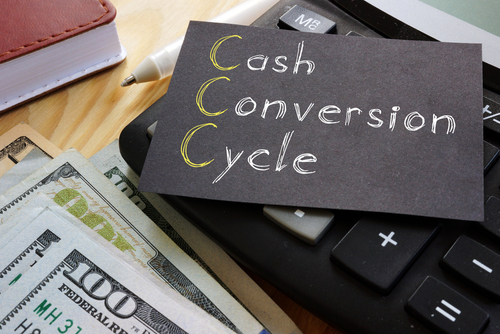 This metric, which is also referred to as the cash cycle or the net operating cycle, looks at the time a business takes to recover its investment in inventory to eventually sell. The process starts from selling its goods, collecting on outstanding receivables or invoices, and satisfying its operating costs with the sale proceeds. It’s normally measured in days to determine the company’s financial health.
 Social media has evolved from a simple networking platform to a powerful business tool. Businesses today use these platforms with billions of active users worldwide to connect with their target audience. Social media allows businesses of all sizes to reach audiences in a way that traditional advertising, such as print or television, cannot.
 It’s that time of year again. Halloween has just come and gone – and now we’re hurtling headlong into Thanksgiving and Christmas. For holiday shopping, it’s tempting to turn a blind eye and put everything on your credit cards. However, if you don’t want to have a financial hangover in January, February (and so on), you might want to take a look at these tips.